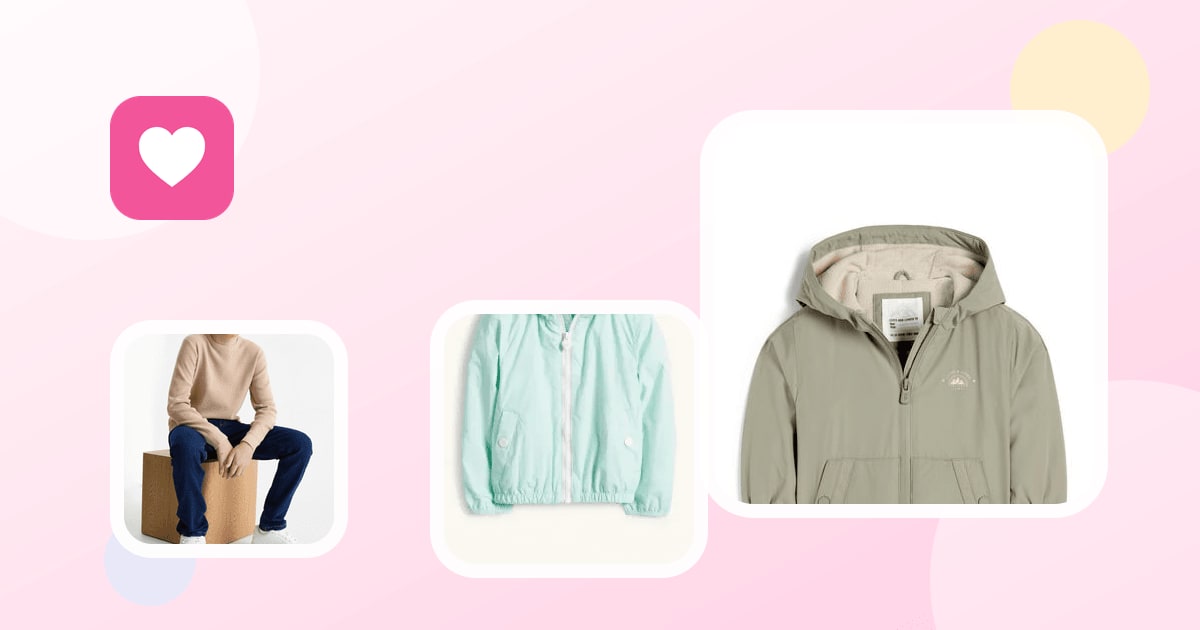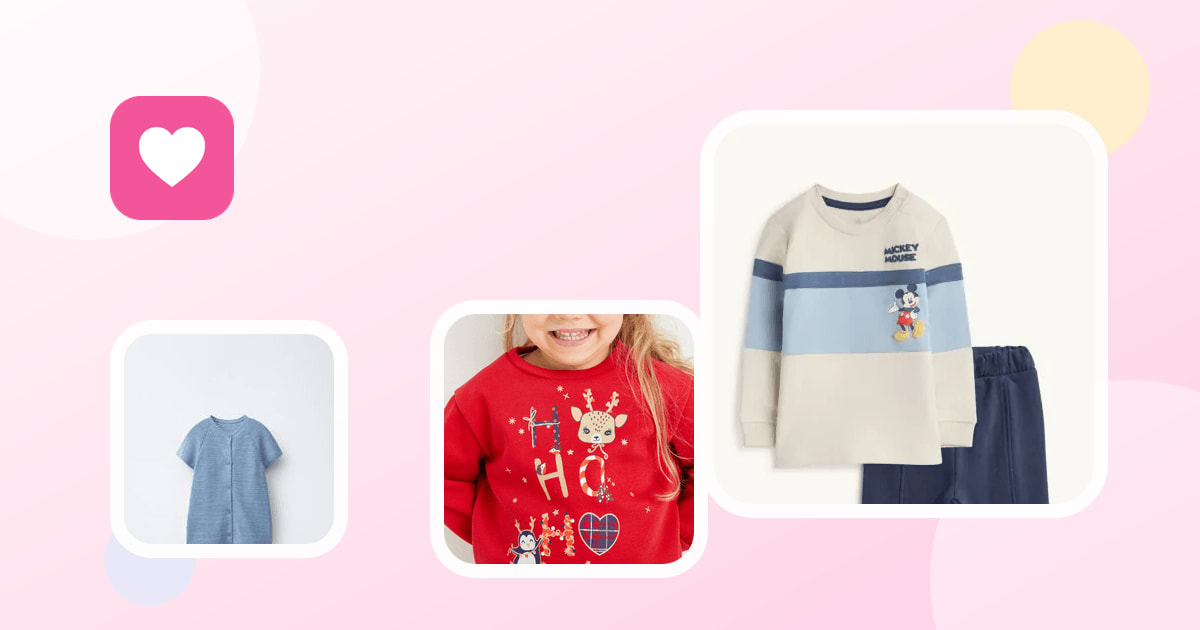
Autumn weather changes twice a day. Nine degrees in the morning, twenty at midday, cold again by evening. One thick coat cannot answer that, but three thin layers can.
The rule of three layers
First layer: next to the skin
A cotton t shirt or a long sleeved top. Its job is to keep the skin dry. Children move a lot and get warm, and synthetic fabric stays wet and chills them.
Second layer: warmth
A jumper, a gilet or a fleece. This is the layer that comes off and goes back on during the day, which is exactly why it should be light and small enough to fit in a bag.
Third layer: wind and rain
A thin jacket or a raincoat. A heavy winter coat is too much in autumn and a child gets sweaty inside it. There is more on this in our jacket and raincoat guide.
What works at which temperature
- 18 to 22 degrees: a t shirt and a thin gilet
- 12 to 18 degrees: a long sleeved top, a jumper and a thin jacket
- 8 to 12 degrees: all three layers and a hat
- Below 8 degrees: a thicker middle layer, and add gloves
These figures are a guide. Children move more than adults, so they warm up faster once they are walking.
Feet and head
In autumn it is the feet that get cold first. Cotton socks and shoes that keep water out matter more than one extra jumper. Socks and tights have a section of their own, and so do shoes with their sizes.
A thin hat is already needed from October. Have a look at hats in the shop.
Where to find seasonal items
The shop has a season filter. Open autumn clothing and you will see only what suits this weather. There are separate shelves for girls and for boys.
Our size chart will help you choose the size. Remember that an autumn jacket is worn over a jumper, so an exact fit is not what you want here.